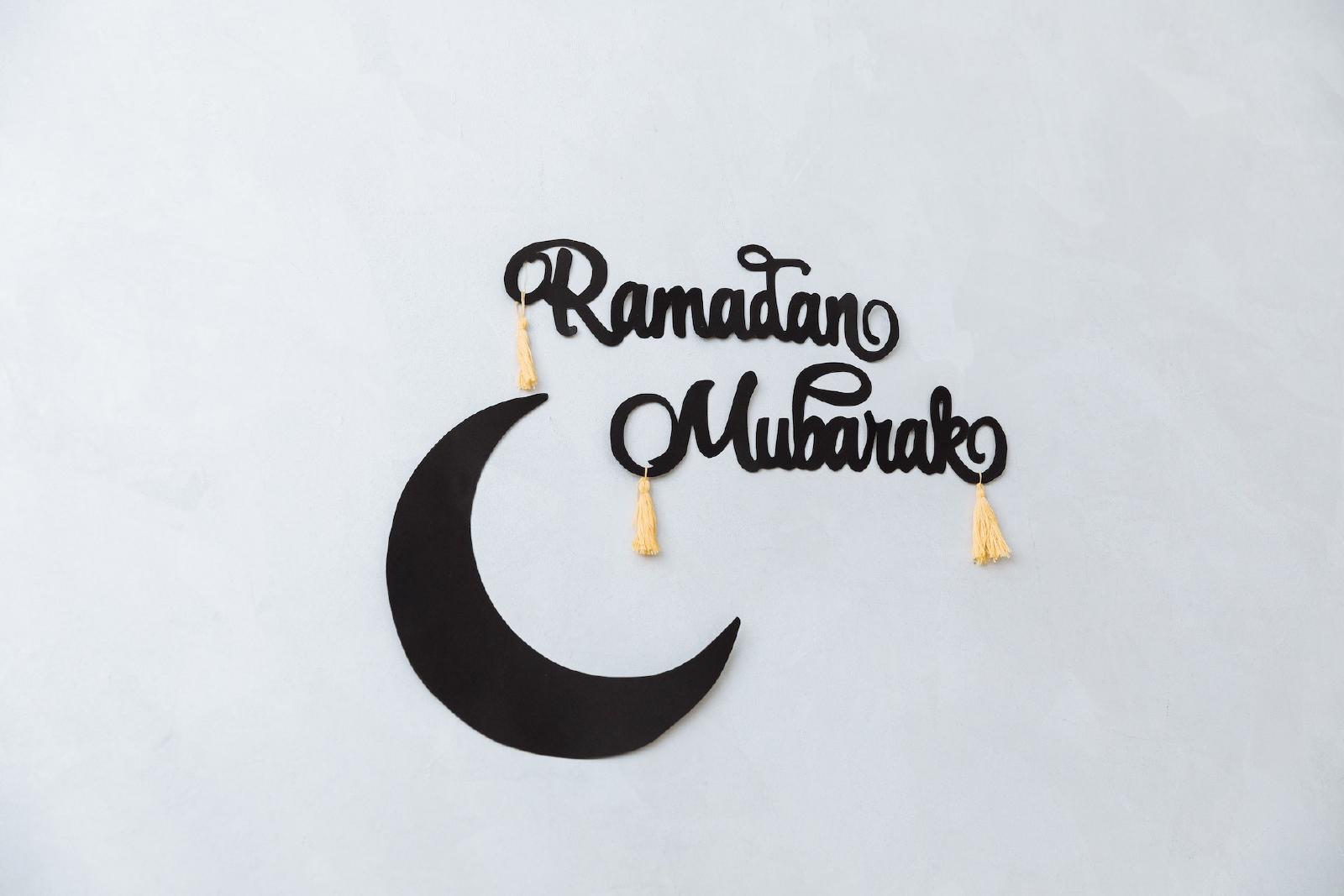
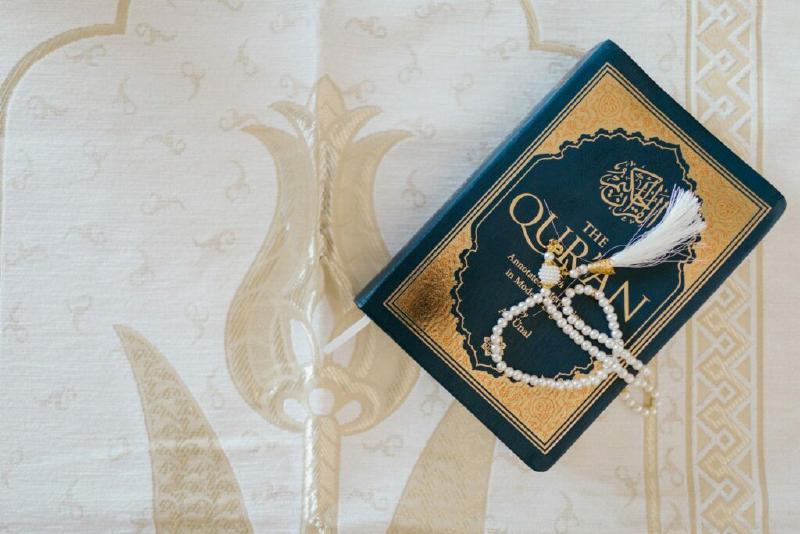
Ramadan is a very significant time for Muslims. Spiritual devotion, self-discipline, and charity play an important role during Ramadan. People also pray more frequently and give alms. The fasting period is spent with prayers, visits to the mosque, and reading the Quran.
Fasting during Ramadan also brings many health benefits. Improved digestion, better blood sugar control, and weight loss are among the benefits of fasting.
The sick, pregnant women, elderly people, and young children are exempt from fasting. People on long journeys who cannot observe the fast are also exempt. A postponement can be granted by making up the missed fasting day later.
Ramadan — how it works#
Before sunrise, Muslims have a light meal. The so-called suhoor gives them the chance to eat something more before dawn. Dates, dried fruit, fruit and vegetables with high water content like oranges or cucumbers, eggs, or filling potatoes like potatoes can be eaten at suhoor.
After sunset, people pray and the fast is briefly broken. Muslims gather for the so-called iftar with family and friends and eat together. The fast is broken at iftar with dates or water, and then the meal is eaten. After eating, desserts are enjoyed and tea is drunk. Until the next suhoor, plenty of water is also consumed so you’re less thirsty during the day.
Ramadan festival#
Ramadan is bid farewell with the Festival of Breaking the Fast, also known as Eid al-Fitr or Ramazan Bayramı. On this special day, Muslims meet with their families and friends to celebrate the end of fasting. This festival can last several days, and a feast is prepared that family and friends share. During the Ramadan festival, sins committed during the fasting period can be forgiven through donations to the poor.
5 questions and answers about Ramadan#
Ramadan has begun and devout Muslims around the world are fasting during this time. How does the Muslim fasting period work? We have answers to some questions you should know about Ramadan.
1. Is Ramadan similar to fasting before Easter?#
Yes, Ramadan is the fasting month for Muslims, just as the period before Easter is for Christians. In the Islamic calendar, Ramadan is the holiest month for Muslims. The Islamic calendar follows the moon, so the months shift forward by about 11 days each year. So Ramadan falls in spring some years and in winter again after a few years.
2. Are you not allowed to drink water either?#
No. While fasting, Muslims may not consume any food or fluids from sunrise to sunset — including water. After breaking the fast, they may consume everything again.
3. Why fast at all?#
Many people surely wonder why anyone would put themselves through abstaining from food and drink for so long. During Ramadan, Muslims give up things that could distract them from Allah and their faith. During this time, they focus especially on their faith and feel connected to God. Abstaining from food and drink is also meant as a lesson — because having enough to eat and drink is not a given.
4. My friends are fasting — do I need to do anything?#
No, you don’t need to do anything. Good friends show interest and support each other — you can ask how to make everyday life easier during Ramadan. That’s already a great joy for many.
5. Is there a celebration at the end?#
Yes, at the end of Ramadan, Eid al-Fitr is celebrated. This festival is one of the most important in Islam; in Germany, many know it as Zuckerfest (Sugar Festival). On these special two to four days, people celebrate with family and friends. They dress up, share the festive meal, and congratulate each other. Children receive a little pocket money from elders as a gift.